


Secrets of Marine Animals – Extraordinary Creatures of Our Oceans
Seas and oceans hide fascinating creatures, from the smallest plankton to majestic whales. What secrets do marine animals hold and how can we protect their environment?
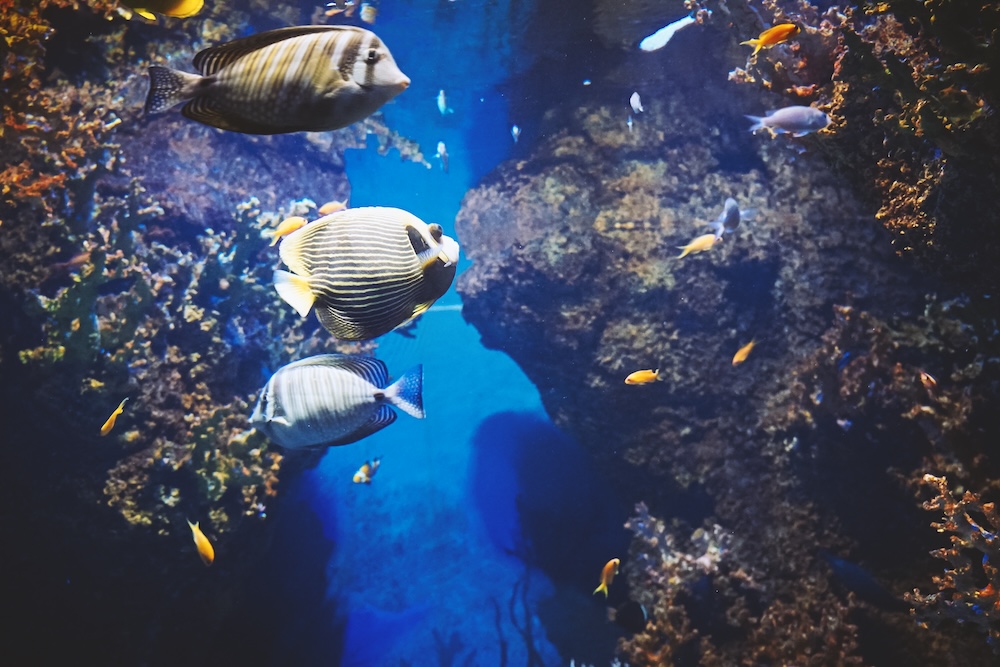
Life in the oceans is incredibly diverse and full of mysteries that have fascinated scientists and nature lovers for centuries. Beneath the water’s surface lies another world – full of extraordinary creatures that play a crucial role in our planet’s ecosystem. From microscopic organisms that produce half of the oxygen on Earth to the largest animals in the world – life in the seas is more complex than we might think.
The Most Fascinating Marine Animals
1. Whales – the giants of the oceans
Whales are among the most fascinating animals on Earth. The largest of them, the blue whale, can reach up to 30 meters in length and weigh over 150 tons. Despite their enormous size, they mainly feed on tiny plankton and krill. They communicate using complex sounds that can travel hundreds of kilometers through the ocean.
2. Dolphins – intelligent inhabitants of the seas
Dolphins are among the most intelligent animals in the world. They can recognize themselves in mirrors, use tools, and communicate in complex ways. They are very social animals, and some species even cooperate with humans. For example, bottlenose dolphins in Brazil help fishermen herd fish into their nets.
3. Sharks – more than just predators
Sharks often inspire fear, but in reality most species are not dangerous to humans. Whale sharks, the largest fish in the world, feed mainly on plankton, and gentle reef sharks are essential for maintaining healthy coral ecosystems. Unfortunately, many shark species are threatened by overfishing and habitat destruction.
4. Jellyfish – mysterious creatures without brains
Jellyfish have existed on Earth for over 500 million years, making them some of the oldest living organisms on our planet. They have no brain or heart, yet they can move effectively through water and capture prey using their stinging tentacles. Some species, such as Turritopsis dohrnii, are theoretically immortal – they can revert to an earlier stage of development.
5. Octopuses – masters of camouflage
Octopuses are among the most intelligent invertebrates. They can solve puzzles, open jars, and mimic other animals. They have three hearts, blue blood, and the ability to change the color of their skin in a fraction of a second, helping them avoid predators.
How Can We Protect Marine Animals?
Life in the oceans is increasingly threatened by human activity. Overfishing, climate change, plastic pollution, and habitat destruction are just some of the problems marine creatures face today.
What can we do to help?
- Avoid plastic – plastic bags and other waste often end up in the oceans and pose a deadly threat to marine animals.
- Support organizations that work to protect marine life.
- Reduce fish consumption and choose seafood from sustainable sources.
- Take care of coastlines – trash left on beaches often ends up in the sea.
- Educate others – the more people understand the problems facing the oceans, the greater the chance we have to protect them.
The underwater world still holds many mysteries, but one thing is certain – its future depends on us. Do we want future generations to admire dolphins, sharks, and whales in their natural habitats? The answer depends on the actions we take today.
Contact:
📍 Address: Sielska 17A, 60-129 Poznań
📧 Email: kontakt@oceanangels.eu
📞 Phone: +48 798 316 115 / +48 784 108 904
🌍 More information: www.oceanangels.eu
Hashtags:
#OceanAngels #MarineAnimals #MarineLife #OceanEcosystems #EnvironmentalProtection #Whales #Dolphins #Sharks #Octopuses #Jellyfish #Biodiversity #SustainableDevelopment #Ecology #CleanOceans #StopPlastic #OceanMysteries #UnderwaterWorld #PlasticFreeOcean #NatureWorld #Nature